Offshore windfarm receives £2bn subsidies in just six years
A major UK offshore windfarm has received a staggering £2 billion of subsidy payments in just six years. Hornsea 1, sited in the North Sea, was one of the windfarms awarded contracts in 2014 by then Energy Secretary Ed Davey.
At the time, Davey decided that this first tranche of Contracts for Difference subsidy agreements should be awarded on a non-competitive basis. As a result, Hornsea 1 is currently receiving a guaranteed £200 per megawatt hour for its power, nearly three times current market prices.
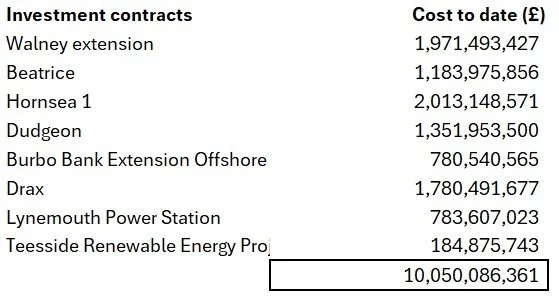
Since it activated its contract in 2019, Hornsea 1 has received a staggering £2 billion in top-up payments. This astonishing generosity means that such payments are likely to be sufficient to cover the full capital cost of the windfarm before the contract comes to an end in 2034 – the developers effectively get the windfarm for free.
Davey agreed to no fewer than eight such non-competitive subsidy awards, mostly to offshore windfarms. Together, these have so far added £10 billion to the cost of the grid. This equates to around £370 per household.
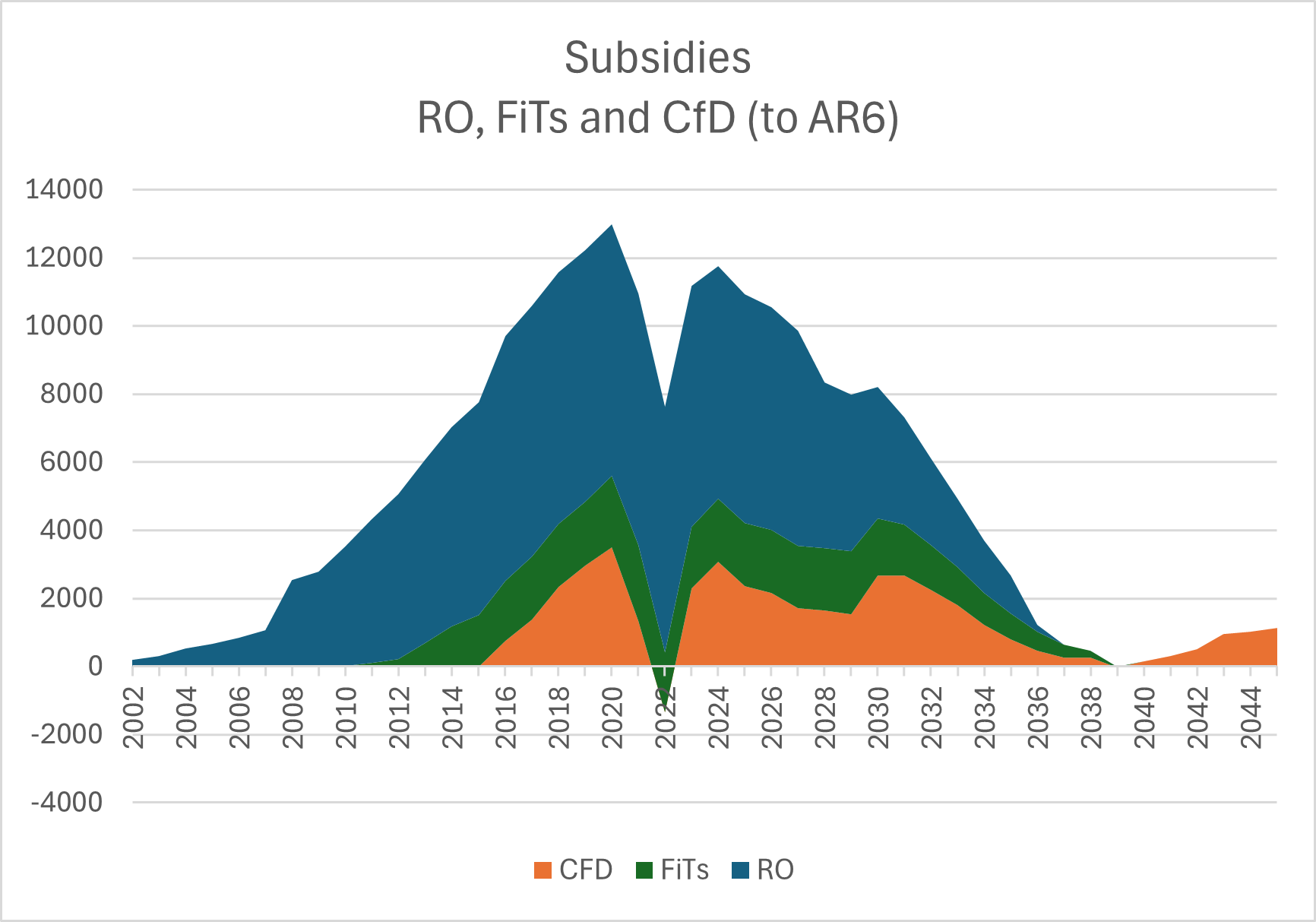
At the same time, new analysis of official data from Net Zero Watch indicates that ministers have locked British households into subsidy payments of over £80 billion over the next 15 years, representing nearly £3000 per household. This figure that is expected to rise significantly after the Secretary of State, Ed Miliband, increased the level of subsidies on offer in the 2025 auction round.
Net Zero Watch director Andrew Montford said:
At a time when high energy bills are the number one concern for families, Ed Miliband is adding more and more costs onto the system - subsidies, grid constraints, carbon capture - the list goes on. Every extra burden feeds directly through to higher bills, leaving households poorer and businesses less competitive. What began with Ed Davey’s reckless Investment Contracts is being compounded by Miliband’s Clean Power 2030 plan. Instead of easing the cost of living crisis, politicians are making it worse. This is indistinguishable from insanity.”
ENDS
Press contact:
Maurice Cousins, Campaign Director
07788907360
Maurice.Cousins@netzerowatch.com
Notes for editors
(1) Hornsea 1 analysis
This analysis is based on published data from the Low Carbon Contracts Company (LCCC) Register of Contracts, which records all payments made under the eight “Investment Contracts”. Total subsidy costs have been aggregated across these contracts and divided by the number of UK households to calculate the per-household figure. Contracts continue to run until 2035.
(2) Net Zero Watch modelling of future subsidy costs
The below chart is based on Net Zero Watch modelling of the UK’s future renewable subsidies bill. It draws on publicly available data from Ofgem, the Department for Energy Security and Net Zero (DESNZ), and the Low Carbon Contracts Company (LCCC).